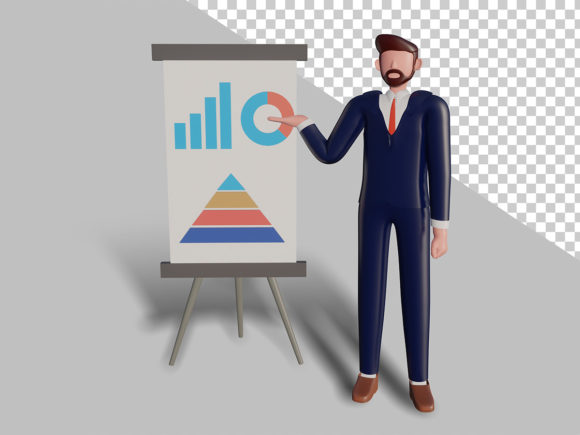
Elevate Your Visual Storytelling with a 3d Male Character Doing Presentation
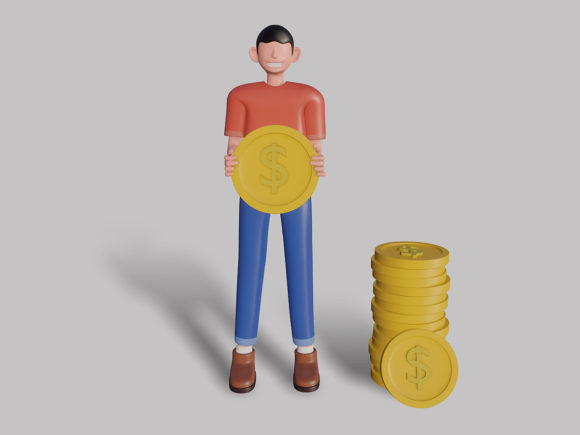
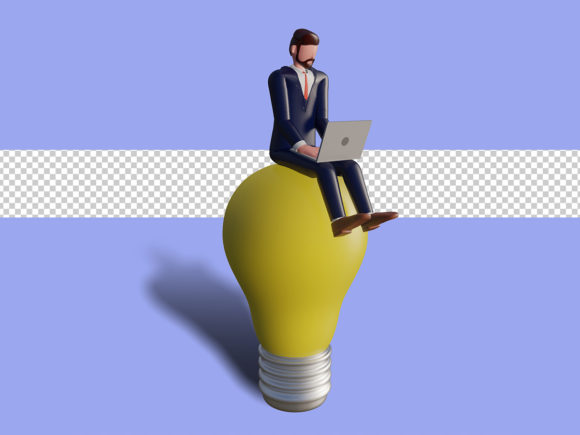
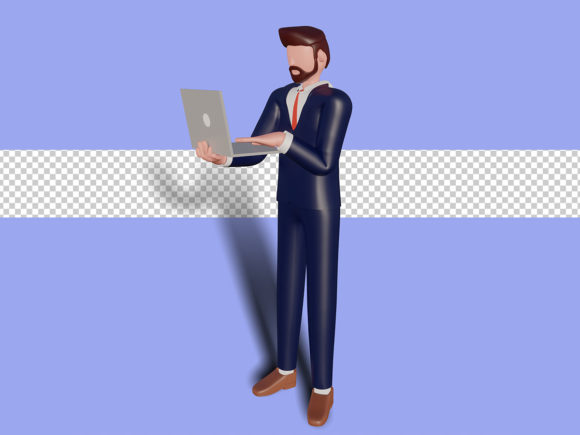
In the fast-paced world of digital design, capturing attention within the first few seconds is not just an advantage; it is a necessity. Whether you are crafting a landing page for a tech startup, building a portfolio to showcase your latest UI/UX projects, or preparing a pitch deck for high-stakes clients, the imagery you choose speaks volumes before a single word is read. This is where the power of a 3d Male Character Doing Presentation comes into play. It is more than just a graphic asset; it is a dynamic tool that bridges the gap between static information and engaging visual narrative.
Modern audiences are conditioned to scroll past bland, generic stock photos. They crave authenticity, depth, and a touch of creativity that feels fresh yet professional. A well-executed 3D illustration offers exactly that. It provides a clean, modern aesthetic that can be seamlessly integrated into various design contexts without feeling out of place. By utilizing a versatile asset like this, designers can instantly elevate the perceived quality of their work, making complex ideas feel accessible and inviting.
The Power of Visual Hierarchy in Digital Design
When we talk about showing off designs, we are essentially talking about guiding the viewer’s eye. The human brain processes visuals 60,000 times faster than text. Therefore, the primary image on a webpage or presentation slide sets the tone for the entire experience. A 3d Male Character Doing Presentation serves as a powerful focal point. Unlike flat illustrations that might feel dated, 3D characters offer depth, lighting, and texture that draw the eye naturally toward the content they are "presenting."
This character acts as a visual anchor. Imagine a UI designer placing this figure next to a mobile app interface mockup. The character’s gesture—pointing at a screen, holding a tablet, or standing confidently beside a data chart—creates a subconscious link between the user and the product. It suggests action, interaction, and success. For portfolios, this means your work isn't just displayed; it is being endorsed by a professional persona within the scene itself. This subtle psychological cue can significantly increase engagement rates and keep visitors on your page longer.
Seamless Integration via Smart Objects
One of the most critical factors in a designer’s workflow is efficiency. Time is money, and no one wants to spend hours tweaking layers to make a stock image fit their brand colors. This is where the technical architecture of the asset becomes paramount. The inclusion of smart object features in the PSD file transforms the editing process from a chore into a breeze.
Smart objects allow you to place your own designs directly into the character’s hands, screens, or background panels with a simple double-click. You drop in your logo, your app interface, or your marketing copy, hit save, and watch as the perspective and lighting automatically adjust to match the 3D environment. This feature ensures that your custom content looks native to the scene, maintaining realism and coherence. It eliminates the need for manual warping or distortion tools, which often result in unnatural edges or pixelation.
For agencies working under tight deadlines, this ease of use is invaluable. You can generate multiple variations of a campaign simply by swapping out the smart object content. Need a version for a financial sector client? Swap the tech interface for a graph. Need one for healthcare? Swap it for a medical dashboard. All while keeping the core composition and character intact. This flexibility allows for rapid prototyping and A/B testing of visual concepts without starting from scratch each time.
Technical Specifications and Quality Assurance
Not all digital assets are created equal. In professional design, resolution and layer organization are non-negotiable. The asset in question boasts a high-resolution dimension of 4500 x 4500 pixels. Why does this matter? Because modern displays, including Retina screens and large-format print materials, demand crisp, sharp imagery. A lower-resolution image would appear pixelated when scaled up for a header banner or printed on a large poster.
At 4500x4500px, this 3d Male Character Doing Presentation retains its clarity even when stretched across wide web headers or used in high-quality brochures. Furthermore, the file structure is meticulously organized. Layers are named logically, such as "Background," "Character Body," "Lighting Effects," and "Smart Object Placeholder." This level of organization prevents the common headache of sifting through hundreds of unnamed layers in Photoshop. It allows designers to isolate specific elements—for instance, adjusting the lighting on the character without affecting the background—or to completely remove the character if needed, leaving behind a clean, usable background.
The package includes both JPEG and PSD formats. The JPEG provides an immediate, ready-to-use image for quick social media posts or email newsletters. However, the PSD file is the true powerhouse, offering full editability. This dual-format approach caters to different stages of a project, ensuring you have the right tool for every task.
Versatility Across Industries and Use Cases
The beauty of this asset lies in its adaptability. While it may seem niche, a male character presenting content is a universal symbol of expertise and guidance. Here is how it fits into various professional scenarios:
- UI/UX Design Portfolios: Showcase your wireframes or final interfaces by having the character interact with them. It adds a human element to abstract design processes.
- SaaS Landing Pages: Software companies often struggle with explaining complex features. A character pointing to a feature list or a dashboard simplifies the message and makes the software feel user-friendly.
- Corporate Presentations: Replace boring bullet points with dynamic visuals. Use the character to introduce new team members, quarterly results, or strategic goals.
- Print Materials: Due to the high resolution, this image works beautifully on business cards, flyers, and trade show banners. The 3D effect stands out physically on paper, creating a memorable tactile experience.
Consider a scenario where a freelance developer is pitching a new e-commerce platform. Instead of a static screenshot of the website, they use the 3d Male Character Doing Presentation holding a tablet displaying the checkout flow. The client immediately visualizes the end-user experience. The character becomes a proxy for the customer, demonstrating usability and ease of navigation in a way that screenshots alone cannot achieve.
Best Practices for Implementation
To get the most out of this asset, consider the context of your brand. The character’s attire and pose should align with your industry’s tone. For a tech startup, a casual but polished look works best. For a law firm or consultancy, a more formal suit might be appropriate (if editable). Always ensure that the colors in your smart object complement the character’s palette to maintain visual harmony.
Additionally, think about whitespace. Since the character occupies a significant portion of the frame, leave ample space around him for your text overlays. This balances the composition and ensures readability. Avoid cluttering the scene with too many other elements; let the character be the star, supporting your core message rather than competing with it.
Conclusion on Modern Design Assets
In an era where visual competition is fierce, relying on outdated clip art or generic photography puts your brand at a disadvantage. Investing in high-quality, editable 3D assets like a 3d Male Character Doing Presentation is a strategic move. It saves time through smart object functionality, ensures professionalism through high resolution and organized layers, and enhances communication by adding a human touch to digital spaces.
Whether you are a seasoned agency director or a solo freelancer looking to stand out, integrating such versatile graphics into your toolkit can transform how you present ideas. It turns passive viewing into active engagement, helping your designs not just be seen, but understood and remembered. Embrace the freshness and simplicity of 3D illustration, and watch your projects gain the attractive, modern look they deserve.