Realistic Design Burning Blaze Element: Elevating Visual Impact with Fiery Precision
In the realm of digital design, capturing attention often requires more than just clean typography or balanced composition. Sometimes, a project demands an element of raw energy, intensity, and dynamic movement. This is where the Realistic Design Burning Blaze Element becomes an indispensable asset for graphic designers, UI/UX specialists, and content creators. Whether you are crafting a high-octane gaming interface, a dramatic marketing campaign, or a fantasy-themed illustration, integrating a realistic fire effect can transform a static image into something that feels alive.
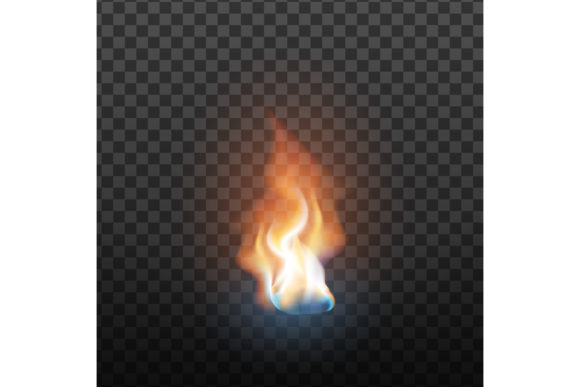
The specific visual described—a fiery heat single burning orange fire translucent torch light tongue effect isolated on a transparency grid background—offers a unique solution for designers who need precision without the hassle of complex compositing. By understanding how to leverage this Realistic Design Burning Blaze Element Vector, professionals can achieve professional-grade results that resonate with adult audiences seeking authenticity and power in their visual narratives.
Understanding the Realistic Design Burning Blaze Element
At its core, a Realistic Design Burning Blaze Element is not merely a clipart image of flames. It is a sophisticated graphical asset designed to mimic the chaotic yet structured behavior of real fire. The description highlights several key technical features: it is a 3D illustration, rendered in vibrant orange hues, and crucially, it is presented on a transparency grid background. This isolation allows the element to be dropped into any existing project without unwanted white boxes or rigid borders disrupting the flow.
The "translucent torch light tongue effect" refers to the way light interacts with the flame. In reality, fire emits light that illuminates surrounding objects. A high-quality vector or raster version of this element captures that luminosity, allowing the fire to glow rather than just sit on top of other layers. When working with formats like JPG and EPS, designers gain flexibility. The JPG provides immediate visual reference and ease of use for web-based projects, while the EPS format ensures that the Realistic Design Burning Blaze Element Vector remains scalable without losing resolution, no matter how large the print job becomes.
Addressing Common Design Challenges
Designers frequently face the challenge of creating depth and atmosphere in flat digital environments. Adding fire effects manually using standard drawing tools can result in unnatural, cartoonish, or muddy visuals that fail to convey the intended heat and danger. Furthermore, managing opacity and blending modes correctly is a technical hurdle that can slow down workflow significantly.
Another common pain point is file compatibility. Many assets are locked into proprietary software formats, limiting where they can be used. By utilizing a Realistic Design Burning Blaze Element available in universal formats like JPG and EPS, designers bypass these technical bottlenecks. The transparency grid background serves as a clear indicator that the asset has been pre-processed for easy integration, saving hours of masking and editing time.
Practical Applications and Outcomes
The versatility of the Realistic Design Burning Blaze Element makes it suitable for a wide array of practical applications. Here is how different professionals might utilize this asset to solve specific problems:
- Brand Identity and Logos: For brands associated with energy, speed, or passion (such as automotive, sports drinks, or entertainment), incorporating a subtle Realistic Design Burning Blaze Element can add a layer of sophistication. Instead of a generic logo, the fire effect can be used as a watermark or a secondary icon to suggest dynamism.
- User Interface (UI) Design: In gaming apps or interactive media, feedback mechanisms are crucial. A Realistic Design Burning Blaze Element Vector can serve as an animation frame or a hover state for buttons, providing immediate visual feedback that something powerful is happening. The translucency ensures it doesn't obscure critical UI elements.
- Editorial and Magazine Layouts: Articles discussing extreme sports, mythology, or summer events benefit from atmospheric headers. Using the fire element as a border or a decorative accent enhances the storytelling without overwhelming the text. The 3D illustration quality adds a premium feel to the publication.
- Event Marketing: Concert posters, festival flyers, and concert backdrops require high-impact visuals. The intense orange tones of the Realistic Design Burning Blaze Element draw the eye immediately, guiding the viewer’s focus toward the event details.
Implementation Strategies for Maximum Impact
To get the most out of your Realistic Design Burning Blaze Element, consider the following implementation strategies:
- Leverage Blending Modes: When importing the JPG or EPS into your design software, experiment with blending modes such as "Screen," "Add," or "Overlay." These modes allow the translucent parts of the fire to interact naturally with the background, enhancing the illusion of light emission. This is particularly effective when placing the fire over dark backgrounds.
- Scale with Purpose: Because the asset is available as a vector (EPS), you can scale it up to billboard size without pixelation. However, remember that realism relies on detail. Ensure that the scale matches the context; a tiny flame might look like a candle, while a massive one could dominate the entire composition. Use the Realistic Design Burning Blaze Element to balance scale and subtlety.
- Combine with Other Elements: Fire rarely exists in a vacuum. To increase realism, consider combining the Realistic Design Burning Blaze Element with smoke textures, embers, or heat distortion effects. The transparency grid background makes it easy to layer these additional elements around the core flame structure.
- Color Matching: While the element is described as "burning orange," modern design often calls for color variations. If your brand uses blue or green, you may need to tint the vector. Since the EPS format preserves the underlying shape data, you can safely adjust the hue and saturation to match your palette while retaining the realistic texture of the flame.
Considerations for Different User Types
Different users approach the Realistic Design Burning Blaze Element with varying levels of expertise and goals. Novice designers might simply drag and drop the JPG onto their canvas, focusing on quick visual enhancement. They should be mindful of resolution limits if printing at large sizes.
Experienced graphic artists, however, will likely prioritize the EPS vector format. They understand that the value lies in the ability to manipulate individual paths and anchor points. For these users, the Realistic Design Burning Blaze Element Vector is a building block. They might deconstruct the flame to create custom animations, isolate specific tongues of fire for motion graphics, or integrate the shape into larger typographic treatments.
For non-designers or business owners looking to improve their marketing materials, the availability of this asset in ready-to-use formats reduces the barrier to entry. They can commission a designer who understands how to properly integrate the Realistic Design Burning Blaze Element, ensuring that the final output looks professional and not amateurish. The key is communication: specifying that the fire effect needs to be translucent and isolated helps the designer avoid common pitfalls like harsh edges or mismatched lighting.
Conclusion
The Realistic Design Burning Blaze Element represents more than just a decorative fire effect; it is a tool for enhancing emotional resonance and visual hierarchy in design. By offering both raster and vector formats, it caters to a broad spectrum of creative needs, from quick web updates to high-stakes print campaigns. The translucent torch light tongue effect and transparent background ensure seamless integration, while the 3D illustration quality guarantees a level of realism that captivates audiences.
Whether you are aiming to evoke the warmth of a campfire, the danger of a wildfire, or the excitement of a championship game, this element provides the necessary spark. By understanding its technical attributes and applying strategic implementation methods, designers can harness the power of fire to create compelling, memorable, and effective visual communications. Embrace the heat, and let the Realistic Design Burning Blaze Element bring your projects to life.