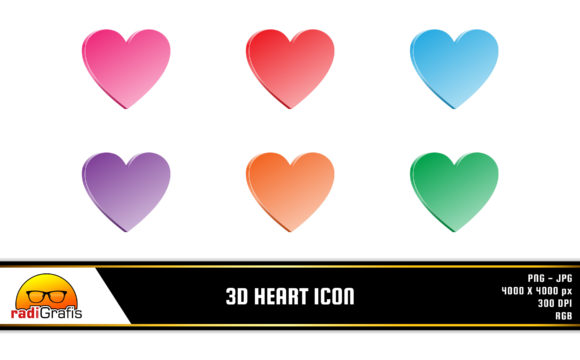
3D Heart Icon
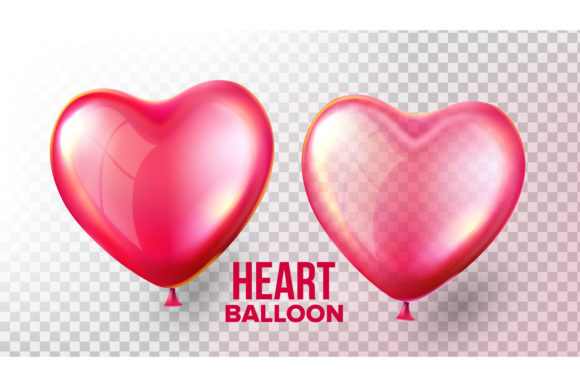
In the landscape of digital design and content creation, visual hierarchy is not merely an aesthetic choice; it is a functional necessity. When you are tasked with conveying emotion, value, or affection within a structured layout—whether for a marketing campaign, a user interface, or a personal project—the 3D Heart Icon serves as a critical anchor point. It transforms abstract concepts like love, care, support, or premium status into tangible visual cues that users process instantly. However, selecting the right asset is only the first step in a successful workflow. The true value lies in how this asset integrates into your broader production pipeline, ensuring consistency, efficiency, and high-quality output across various platforms.
This guide explores the practical application of a specific collection of 3D heart icons designed for professional use. By understanding the technical specifications and strategic placement of these assets, creators can streamline their processes, reduce rendering time, and maintain brand integrity. We will examine how to leverage these files—from preparation to final deployment—and why attention to detail in asset management directly impacts the perceived quality of your work.
The Strategic Value of 3D Graphics in Modern Workflows
Gone are the days when flat, two-dimensional graphics were sufficient for all contexts. As screens become higher resolution and user expectations for polish increase, depth adds a layer of sophistication that captures attention without demanding excessive cognitive load. A 3D Heart Icon offers volume, shadow, and lighting effects that make it stand out against both light and dark backgrounds. This dimensionality allows the icon to function effectively in diverse environments, from social media thumbnails to app interfaces and printed materials.
For professionals such as marketers, educators, and small business owners, the ability to quickly insert high-quality, emotionally resonant imagery is a significant productivity booster. Instead of spending hours modeling a simple shape or struggling with inconsistent styling in photo editing software, having a pre-rendered, high-resolution asset library allows you to focus on strategy and messaging. The 3D Heart Icon fits seamlessly into this "asset-first" approach, enabling rapid prototyping and consistent branding across multiple touchpoints.
Technical Specifications and Compatibility
To ensure smooth integration into your existing tools, understanding the technical parameters of your digital products is essential. The collection in question is engineered for versatility and clarity, providing files that are ready for immediate use without extensive post-processing. Here is a breakdown of what is included and why these specs matter for your workflow:
- File Formats (PNG and JPG): The inclusion of both PNG and JPG formats addresses different use cases. PNG files typically feature transparent backgrounds, allowing the 3D Heart Icon to be placed over any background color or image without awkward borders. This is crucial for overlaying icons on photos, videos, or colored sections of a webpage. JPG files, while lacking transparency, offer smaller file sizes and broad compatibility, making them ideal for web images where transparency is not required or supported by the platform.
- Pixel Dimensions (4000×4000): High pixel dimensions provide flexibility. Whether you need the icon for a tiny favicon or a large banner ad, starting with a 4000-pixel square ensures you have enough data to scale down without losing sharpness. This "scale-down-only" principle prevents pixelation and maintains the crisp edges of the 3D rendering.
- Color Mode (RGB): Digital screens rely on the RGB (Red, Green, Blue) color model. Ensuring your assets are in RGB mode guarantees that the colors appear vibrant and accurate on monitors, phones, and tablets. If you plan to print these icons, you may need to convert them to CMYK, but for the vast majority of digital workflows, RGB is the standard.
- Resolution (300 DPI): Dots Per Inch (DPI) determines the density of pixels in a physical print. A resolution of 300 DPI is the industry standard for high-quality printing. This means if you decide to incorporate the 3D Heart Icon into a brochure, business card, or packaging mockup, it will render sharply without appearing blurry or grainy.
By adhering to these specifications, you eliminate guesswork. You do not need to worry about whether an image will look good on a Retina display or in a printed flyer. The assets are pre-optimized for these scenarios, allowing you to move from selection to implementation in seconds.
Integration Across Creative and Business Processes
The utility of a 3D Heart Icon extends beyond simple decoration. It plays a role in various stages of a project lifecycle. Understanding where and how to place these icons can enhance communication and drive engagement.
User Interface and Experience (UI/UX)
In app development or website design, icons serve as navigational aids. A 3D heart can represent "favorites," "likes," or "saved items." Because the icon has depth, it provides tactile feedback visually, suggesting interactivity. When a user sees a glossy, dimensional heart, they perceive it as a button that responds to touch or click. Integrating these icons into your UI requires ensuring they match the lighting direction of other elements in your design system to maintain realism.
Marketing and Social Media Content
For entrepreneurs and bloggers, visual content is king. In promotional posts, the 3D Heart Icon can highlight special offers, Valentine’s Day campaigns, or gratitude messages. Its three-dimensional nature makes it pop in crowded social media feeds. When creating carousel posts or infographics, using these icons as bullet points or section dividers adds a professional polish that distinguishes your content from generic templates.
Educational Materials and Presentations
Educators and trainers often struggle to keep audiences engaged. Visual aids break up text and reinforce key concepts. A 3D heart can symbolize health topics, emotional intelligence modules, or community building workshops. Because the icons are high-resolution (4000×4000), they remain clear even when projected on large screens or shared digitally in learning management systems.
Best Practices for Asset Management and Efficiency
To get the most out of your digital product collection, adopting a systematic approach to file management is recommended. Chaos in your asset library leads to wasted time searching for the right version of an image. Here are practical tips for organizing and using your 3D Heart Icon files:
- Create a Dedicated Folder Structure: Set up a folder named something like "Assets_Icons_3D_Hearts" within your main project directory. Inside, create subfolders for "PNG_Transparent" and "JPG_Background." This separation prevents accidental misuse of file types and speeds up retrieval.
- Standardize Naming Conventions: Rename files before importing them into your design software. Instead of "image_01.png," use descriptive names like "Heart_Red_3D_PNG.png" or "Heart_Gold_JPG.jpg." Consistent naming helps when collaborating with team members or returning to a project months later.
- Check Color Consistency: Before finalizing a design, zoom in to 100% or more to inspect the anti-aliasing around the edges of the 3D Heart Icon. Ensure there are no jagged edges or unwanted halos, especially when placing white icons on light backgrounds or vice versa. The 300 DPI resolution should help here, but always verify at actual size.
- Maintain a Style Guide: If you are using multiple 3D icons, ensure they share similar lighting angles and material properties. Mixing a glossy red heart with a matte blue cube can break the illusion of reality. Using a cohesive set, like the one provided, ensures visual harmony.
Conclusion: Enhancing Workflow Through Quality Assets
The decision to use a 3D Heart Icon is ultimately a decision to prioritize quality and emotional connection in your work. These digital products are not just decorative elements; they are tools that facilitate clearer communication and more engaging designs. By leveraging the provided PNG and JPG files, you gain the flexibility to adapt your visuals to various mediums, from digital screens to print materials.
Remember, the goal of any creative workflow is to reduce friction between idea and execution. High-quality, well-specified assets like these 6 PNG and 6 JPG files remove the technical barriers, allowing you to focus on the message you want to convey. Whether you are designing a logo, updating a website, or preparing a presentation, integrating these icons smoothly into your process will result in a more polished and professional outcome.
We hope this collection helps make your work easier and more efficient. For ongoing updates, new designs, and additional resources tailored to your creative needs, please follow my account to get notifications. Stay connected, and continue to refine your craft by exploring the designs you need to bring your projects to life. Thank you for choosing quality and simplicity in your digital toolkit.