Building Wall Logo Mockup Design
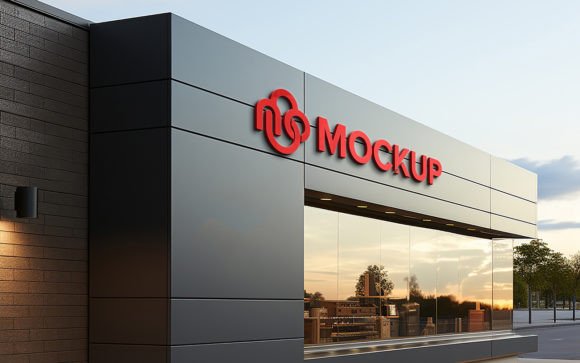
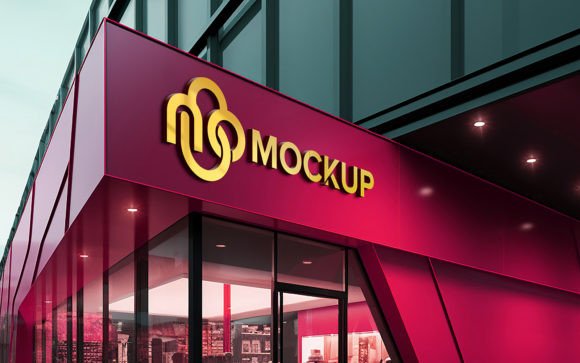
Visualizing how a brand identity translates onto physical structures is one of the most critical steps in modern graphic design. When you are pitching a rebrand to a client or showcasing your portfolio, flat images rarely convey the weight and presence of a real-world application. This is where a Building Wall Logo Mockup Design becomes an indispensable tool. It bridges the gap between abstract digital concepts and tangible reality, allowing stakeholders to see exactly how their logo will look when scaled up on concrete, brick, or glass.
Creating a high-quality presentation is not just about aesthetics; it is about communication. A realistic mockup helps clients understand scale, context, and material interaction. For professionals, entrepreneurs, and freelancers, the ability to present designs with this level of realism can significantly influence decision-making processes. It transforms a simple logo file into a compelling visual narrative that speaks directly to the viewer’s sense of space and environment.
The Power of Realistic Visualization
In the competitive landscape of branding, first impressions matter. Clients often struggle to imagine how a two-dimensional vector will behave on a three-dimensional surface. They might worry about proportions, lighting, or how the colors interact with the texture of the building materials. A high-quality 3D realistic mockup addresses these concerns immediately. By providing a ready-to-use template that mimics real-world lighting and shadows, designers can eliminate guesswork and reduce the back-and-forth revisions that typically slow down project timelines.
The value here lies in clarity. When a client sees their logo rendered on a building wall with accurate perspective and depth, they gain confidence in the design’s versatility. This is particularly important for small business owners and marketers who need to justify their investment in branding. Seeing the logo in situ helps them visualize the final outcome, making it easier to approve concepts and move forward with production. It turns a static image into a dynamic preview of success.
Simplifying the Workflow with Smart Technology
One of the biggest hurdles in creating custom presentations is the technical skill required to manipulate complex files. Traditional Photoshop workflows can be daunting for those who are not expert editors. However, modern mockup resources have been designed with accessibility in mind. Features like smart object replacement allow users to swap out their own logos instantly. This means you do not need advanced knowledge of layers, masks, or blending modes to achieve professional results.
The process is straightforward: you simply replace the placeholder layer with your own design, and the software automatically adjusts the perspective, warping, and lighting to match the building wall. This "no skill requirement" aspect democratizes high-end design presentations. Freelancers and hobbyists can produce work that looks as though it were created by a large agency. It saves hours of manual editing, allowing you to focus on the creative strategy rather than the technical execution. With just a few clicks, you can generate multiple variations, testing different color palettes or layout options without starting from scratch each time.
Organization and Efficiency for Busy Professionals
When working under tight deadlines, efficiency is paramount. A well-organized file structure can mean the difference between a smooth workflow and a frustrating experience. High-quality mockup packs are typically fully layered and organized into logical folders. This makes it easy to locate specific elements, such as the background texture, the lighting overlay, or the shadow cast by the sign. If you need to tweak the intensity of the sunlight or adjust the angle of the camera slightly, having these elements separated allows for precise control.
This level of organization also supports scalability. If you are a marketer managing campaigns for multiple clients, you can quickly adapt the same base template for different projects. The consistency of the source file ensures that every presentation maintains a high standard of quality. Furthermore, the inclusion of a help file provides additional guidance, ensuring that even if you encounter any questions, the solution is readily available. This support system reduces friction and keeps your productivity high.
Technical Specifications That Matter
Resolution and detail are non-negotiable when presenting to discerning clients. A blurry or pixelated image undermines the professionalism of your work. The Building Wall Logo Mockup Design discussed here offers a resolution of 3600 x 2400 pixels at 300 DPI. This high resolution ensures that every pixel is sharp, whether you are displaying the image on a high-definition monitor or printing it for a physical board meeting. The fine details of the building’s texture—whether it is rough stone, smooth concrete, or reflective glass—are preserved, adding authenticity to the presentation.
The pack includes both PSD and JPEG formats, offering flexibility depending on your needs. The PSD file serves as the editable master, while the JPEG provides a quick, shareable version for initial feedback. Having one version with comprehensive assets means you have everything you need in a single download. There is no need to search for additional textures or lighting effects elsewhere. This all-in-one approach simplifies the procurement process and ensures compatibility across different design environments.
Who Benefits Most from This Approach?
While any designer can benefit from using a Building Wall Logo Mockup Design, certain groups find it particularly transformative. Entrepreneurs launching a new business often lack the budget for extensive market research or prototype development. A realistic mockup allows them to test public reaction to their branding before committing to expensive signage production. Bloggers and educators can use these visuals to illustrate case studies or teach principles of environmental graphics. Marketers can create more engaging social media content by showing their clients’ brands in action, which tends to drive higher engagement rates than flat logos alone.
Freelancers and agencies alike can use these templates to enhance their proposals. Instead of sending a PDF with isolated logos, they can send a visually rich document that tells a story. This elevates their perceived value and helps them stand out in a crowded marketplace. Even hobbyists who enjoy designing for fun can learn valuable lessons about presentation and context by experimenting with these realistic scenarios.
Considerations for Best Results
While these tools are powerful, it is important to use them responsibly. Not every logo design suits every architectural style. A minimalist logo might look stunning on a sleek modern glass facade but could appear lost on a highly textured, ornate brick wall. Designers should consider the context of the client’s actual location when selecting a mockup. Additionally, while the smart object feature is convenient, it is wise to review the final output to ensure that the logo’s legibility has not been compromised by excessive warping or low contrast against the background.
Furthermore, remember that a mockup is a representation, not a guarantee. Lighting conditions in the real world may differ from the simulated environment. Always communicate with your clients that the mockup is a visualization aid. Transparency builds trust and manages expectations. By combining high-quality tools with thoughtful design choices and clear communication, you can deliver presentations that are not only beautiful but also honest and effective.
Conclusion
Incorporating a Building Wall Logo Mockup Design into your workflow is a strategic move that enhances both your creative process and your client interactions. It simplifies complex tasks, saves valuable time, and produces visually compelling results that resonate with audiences. Whether you are a seasoned professional or just starting out, the ability to present your designs in a realistic, three-dimensional context adds a layer of professionalism that is hard to ignore. By leveraging these tools, you empower yourself to tell better stories with your designs, leading to stronger connections and more successful outcomes.