Mastering Retro 3d Style Editable Text Effects for Modern Design Projects
In the ever-evolving landscape of digital design, nostalgia remains a powerful aesthetic force. The late twentieth century, particularly the 1980s and 1990s, offered a visual language defined by bold geometry, vibrant gradients, and tactile textures. Today, designers are revisiting these eras not merely to copy the past, but to reinterpret it through modern tools. At the forefront of this revival is the Retro 3d Style Editable Text Effects template, a versatile asset designed to bridge the gap between vintage charm and contemporary workflow efficiency. This article explores the technical specifications, creative applications, and strategic advantages of utilizing such vector-based text effects in professional design projects.
The Anatomy of Retro 3D Typography
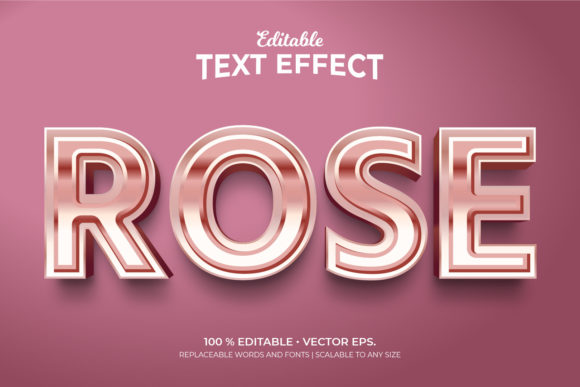
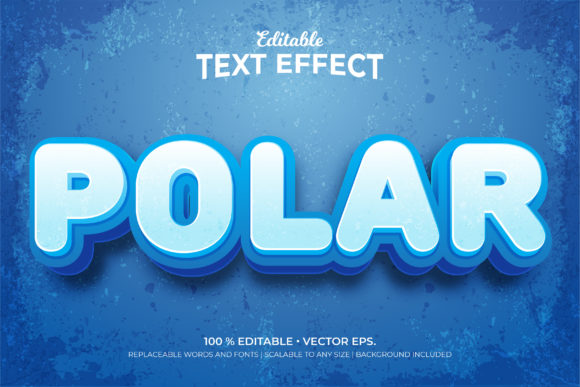
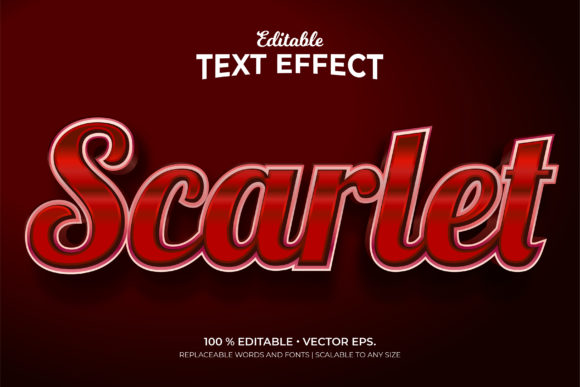
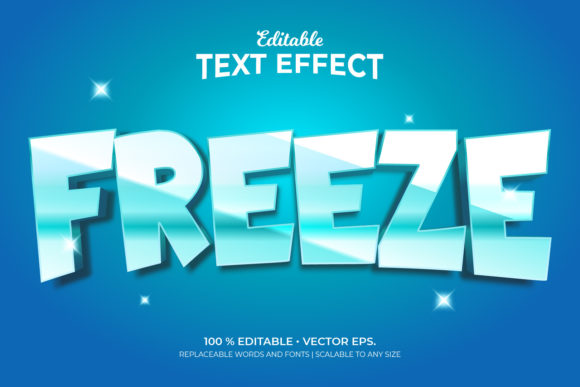
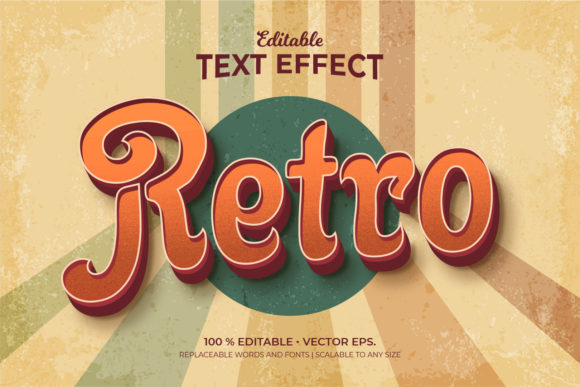
Understanding why retro 3D text resonates with audiences requires looking at its structural components. Unlike flat typography, which relies on hierarchy and spacing to create depth, 3D text constructs volume. In the context of the Retro 3d Style Editable Text Effects template, this volume is achieved through precise layering and shading techniques that simulate light sources and material density. The result is text that appears to pop off the screen or sit heavily upon a surface, commanding immediate attention.
The specific characteristics of this style often include beveled edges, drop shadows, and gradient fills that mimic metallic, plastic, or stone surfaces. These elements were staples of print advertising and early digital graphics, creating a sense of tangibility that flat design sometimes lacks. By using editable vectors, designers can manipulate these properties without losing resolution, ensuring that the text remains crisp whether viewed on a mobile device or printed on a large-format banner.
Technical Specifications and Workflow Integration
For professionals working within Adobe Creative Cloud, the format compatibility of design assets is paramount. The Retro 3d Style Editable Text Effects template is delivered in Vector EPS CC format, alongside native Ai (Adobe Illustrator) files. This dual-format approach ensures maximum flexibility. The EPS file allows for seamless integration into various design suites, including CorelDRAW or Affinity Designer, while the Ai file provides full access to the layer structure for those deep-diving into Adobe Illustrator.
- Vector Scalability: Because the source files are vector-based, they are scalable to any size without pixelation. A logo designed at 100 pixels wide can be expanded to billboard dimensions at 1920 x 1080 pt or larger, maintaining perfect edge definition.
- Editable Properties: The template features fully replaceable words and fonts. This means the structural integrity of the 3D effect remains intact regardless of the character count or font choice. Designers can swap out the preview font, Gloria (designed by Peter Wiegel), for any typeface that better suits their brand identity.
- Color Customization: The RGB color profile allows for vibrant on-screen display, crucial for web and social media content. Users can easily modify the fill colors, stroke weights, and shadow tones to align with specific brand guidelines or seasonal themes.
Creative Applications Across Industries
The versatility of Retro 3d Style Editable Text Effects extends far beyond simple title cards. Its adaptability makes it suitable for a broad spectrum of industries, each leveraging the aesthetic for different psychological impacts.
Branding and Identity
For businesses aiming to project a sense of established reliability mixed with playful innovation, retro typography offers a unique balance. A tech startup might use this style to evoke the "future as it was imagined in the past," a common trope in cyberpunk aesthetics. Similarly, a craft brewery or artisanal coffee shop might use the textured, heavy look of 3D text to suggest handcrafted quality and robust flavor profiles.
Social Media and Digital Marketing
In the crowded space of social media feeds, static images must compete for attention instantly. The depth created by 3D text effects acts as a visual interruptor. When used as an overlay on photography or as a standalone graphic, the text stands out against complex backgrounds. The included textured background in the template further enhances this separation, providing a canvas that complements the text rather than competing with it.
Event Design and Merchandising
Concert posters, festival flyers, and merchandise designs frequently draw from retro influences. The Retro 3d Style Editable Text Effects template is ideal for creating limited-edition graphics for t-shirts, mugs, and stickers. Because the files are vector, they are print-ready for high-resolution commercial printers, ensuring that the final physical product matches the digital preview perfectly.
Advantages of Using Pre-Designed Vector Templates
While custom illustration has its place, there are significant practical benefits to using pre-designed, editable templates like the one described here. Efficiency is the primary driver. Creating a consistent 3D effect from scratch involves setting up lighting rigs, defining perspective grids, and manually adjusting bezier curves for every letter. A template streamlines this process, allowing designers to focus on composition and messaging rather than mechanical execution.
Furthermore, consistency across a brand’s visual assets is easier to maintain when using standardized effects. If a marketing team needs to produce ten variations of a campaign poster, using a single editable template ensures that the text treatment remains uniform, reinforcing brand recognition. The "Easy to use" nature of the template lowers the barrier to entry for junior designers or marketers who may not have advanced illustration skills but still require high-quality visuals.
Considerations for Implementation
To get the most out of the Retro 3d Style Editable Text Effects, designers should consider a few key aspects of implementation. First, legibility is crucial. While 3D effects add visual interest, they can also obscure text if the contrast between the text and the background is too low. It is advisable to test the template against various background images to ensure readability.
Second, font selection plays a critical role. The preview uses Gloria, a font designed by Peter Wiegel, which likely possesses the weight and structure necessary to support 3D extrusion. When replacing the font, choose typefaces with clear forms and sufficient thickness. Thin, delicate scripts may lose their detail when extruded or may appear fragile depending on the lighting settings applied.
Finally, consider the context of the medium. On small screens, excessive detail in the 3D texture can become muddy. Simplifying the shadow depth or reducing the complexity of the textured background can improve performance and clarity on mobile devices. The scalability of the vector format allows for these adjustments without compromising the core design intent.
The Future of Retro Aesthetics in Digital Design
Trends in design are cyclical, but the underlying human appreciation for novelty and familiarity remains constant. As we move further into the digital age, the tactile qualities of physical objects—represented by the textured backgrounds and solid 3D forms of this template—offer a counterbalance to the increasingly ephemeral nature of digital content. The Retro 3d Style Editable Text Effects template captures this sentiment, offering a tool that is both rooted in history and ready for future innovation.
By providing a high-quality, fully editable resource in industry-standard formats, this template empowers creators to experiment with retro aesthetics without the steep learning curve associated with complex 3D modeling software. Whether you are a seasoned graphic designer looking to speed up your workflow or a business owner seeking to make a bold statement, understanding and utilizing these tools can significantly enhance the visual impact of your communications.
Conclusion
The intersection of nostalgia and technology creates compelling opportunities for creative expression. The Retro 3d Style Editable Text Effects template exemplifies this intersection by combining the visual appeal of classic 3D typography with the flexibility of modern vector workflows. Its compatibility with Adobe Illustrator, ease of customization, and broad applicability make it a valuable asset for anyone looking to add depth, character, and historical resonance to their design projects. As designers continue to explore the boundaries of digital aesthetics, tools that facilitate efficient yet expressive creation will remain essential.